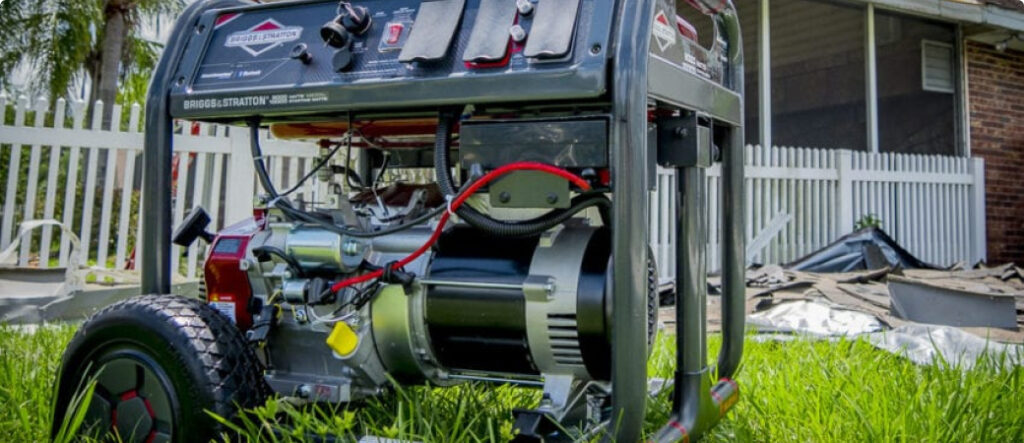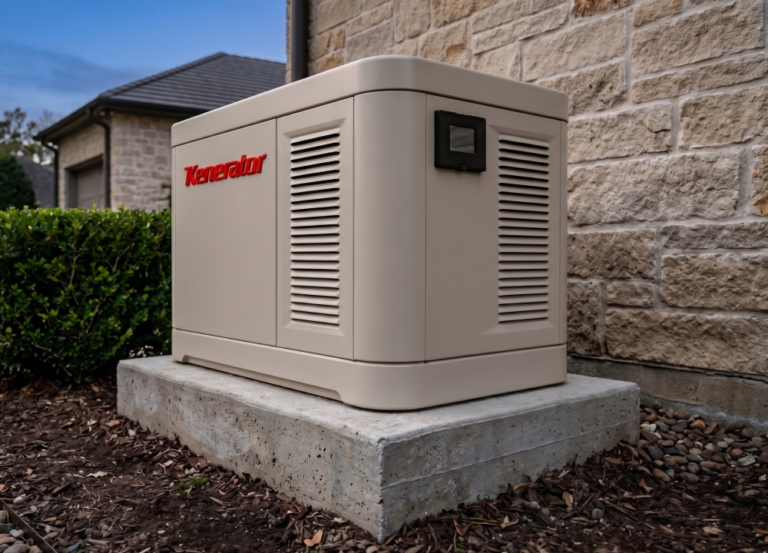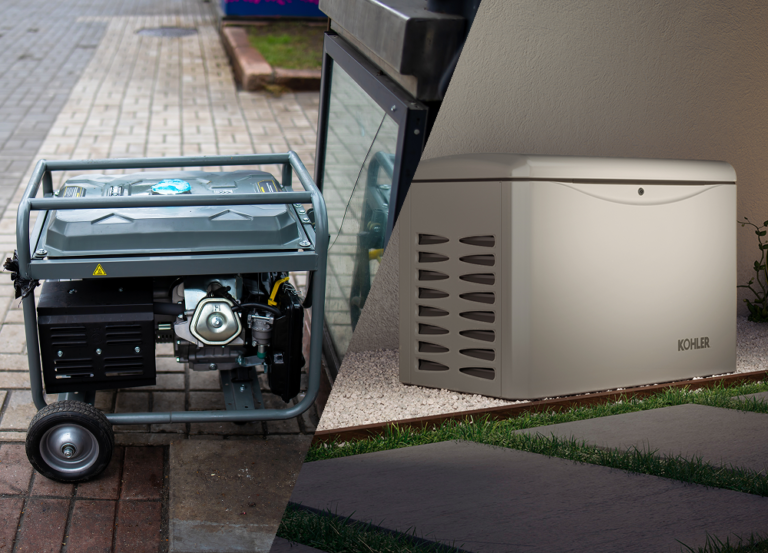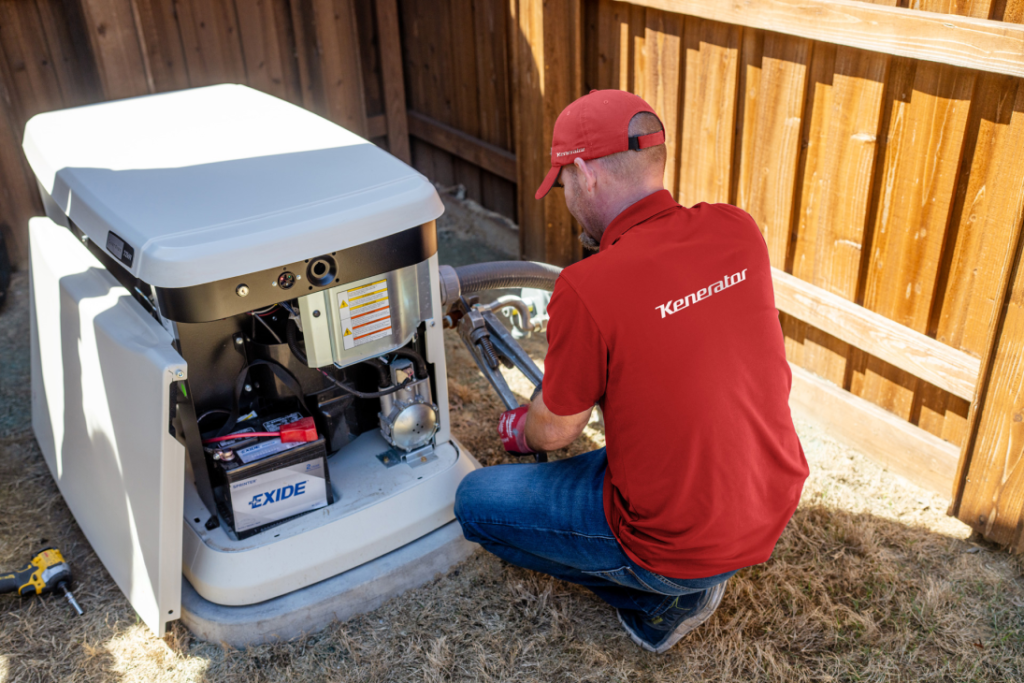
You might think of a generator as a small, unassuming unit outside a home or an enormous infrastructure that powers up a whole community. Generators are engines at their core. Ranging from massive turbines at powerplants that are serving whole communities to small compact units that power up a single home during power outages.
The size and capacity of your generator’s engine will determine how well it performs, how long it can run for and its durability. If you are wanting to purchase a home standby generator, making the choice of engine is going to be a crucial decision.
At their largest, generator powerplants are enormous engines driven by turbines and powered by water, steam or gas. These large-scale generators can supply power to an entire city and have been designed to ensure maximum efficiency and to run for thousands of hours on heavy loads.
At their smallest, a home standby generator is essentially a down-scaled version of these engines that have been designed to deliver reliable and enough power to power up your homes essential appliances and systems during power outages. Home generators are distinguished by their ability to start up automatically during an outage and to run for several hours and even days in extreme power outages, if they are properly maintained.
Does size matter? Yes! The size and quality of the engine of the generator does matter. The size and quality will determine how long the generator can run for, its capability as well as durability.
If the power demands for your home are moderate, you will simply need a small, air-cooled engine and if your power demands are larger with longer running time, a larger liquid-cooled engine will work best.
There has always been a long-standing debate between air-cooled and liquid-cooled generators. Choosing between the two will depend on factors like power requirements, what your budget is and what you intend to use the generator for.
Air-cooled generators use fans to regulate the temperature of the engine, it does this by circulating air over the engine. Air-cooled generators are less expensive to purchase and maintain, they have a compact design so easy to fit into a smaller space and are ideal for moderate power needs such as powering essentials of a home during short outages.
Liquid-cooled generators use a system of coolant and radiator to maintain optimal temperatures. These types of generators are built to be used for extended periods of time without overheating, they can also handle large loads from powering an entire home to a small business, these generators also have a longer lifespan than air-cooled generators if they are maintained properly.
When choosing your generator, you need to consider:
- Your power needs
- How long you expect your will need your generator to run for
- Budget
- Space considerations to accommodate your generator
More than just convenience, generators are engines of great power. They safeguard your home and family from power outages. Whether you need a smaller air-cooled generator or a larger robust liquid-cooled generator, the key is to understand your power needs and choose a generator that fits your requirements and lifestyle.
Investing in a good quality generator will ensure peace of mind, knowing you (and your family) will stay powered and comfortable.
If you need assistance or have questions regarding which generator type if for you, contact us today. Our team is ready to ensure you stayed powered up, no matter what.