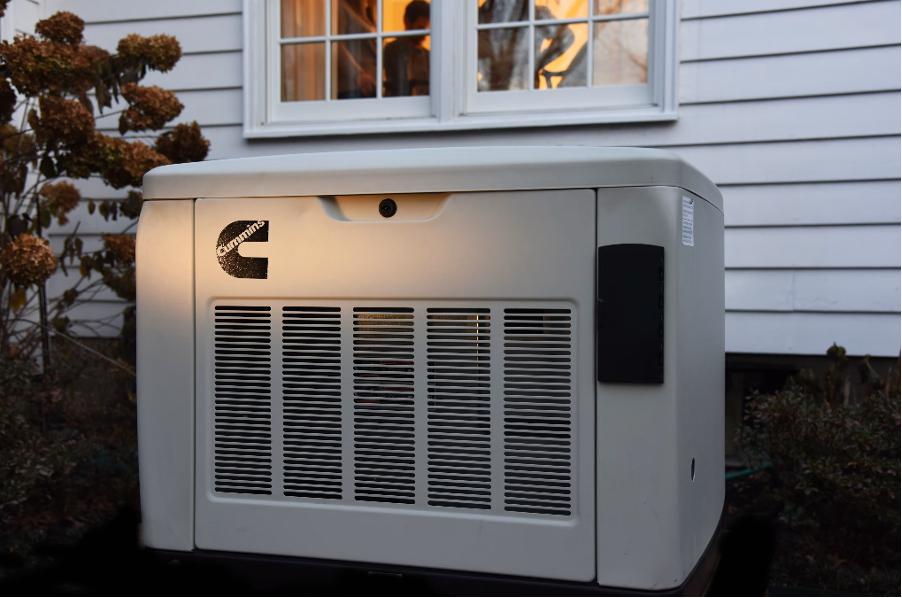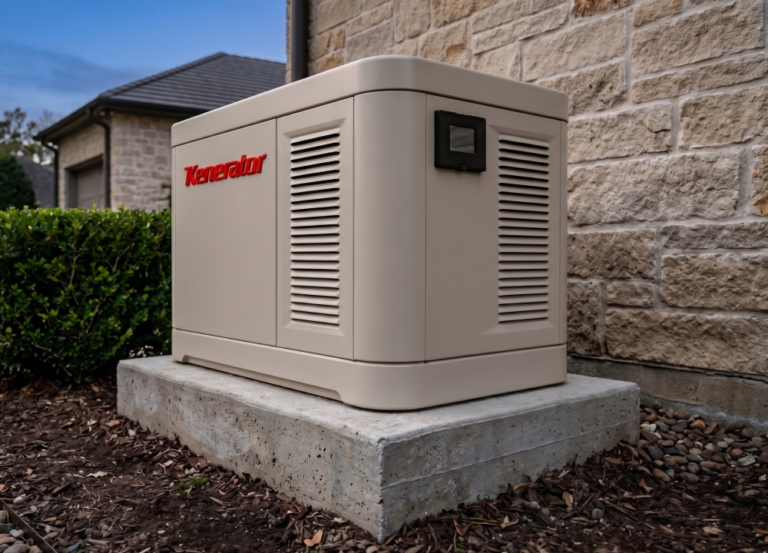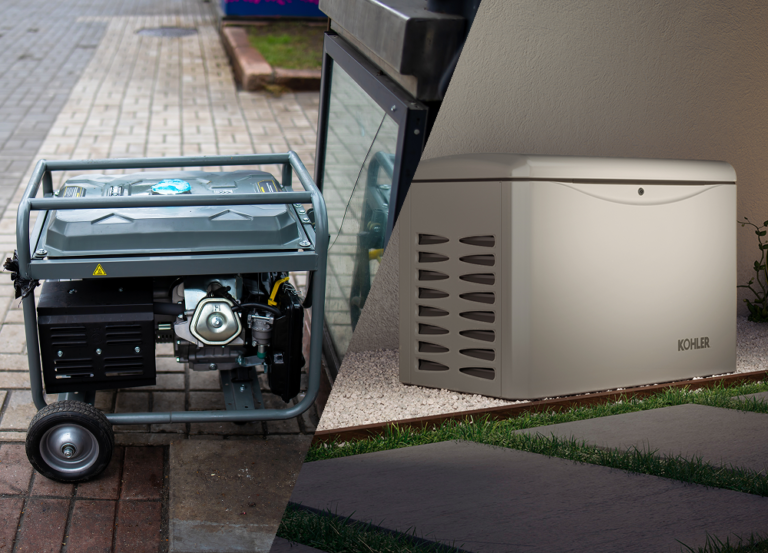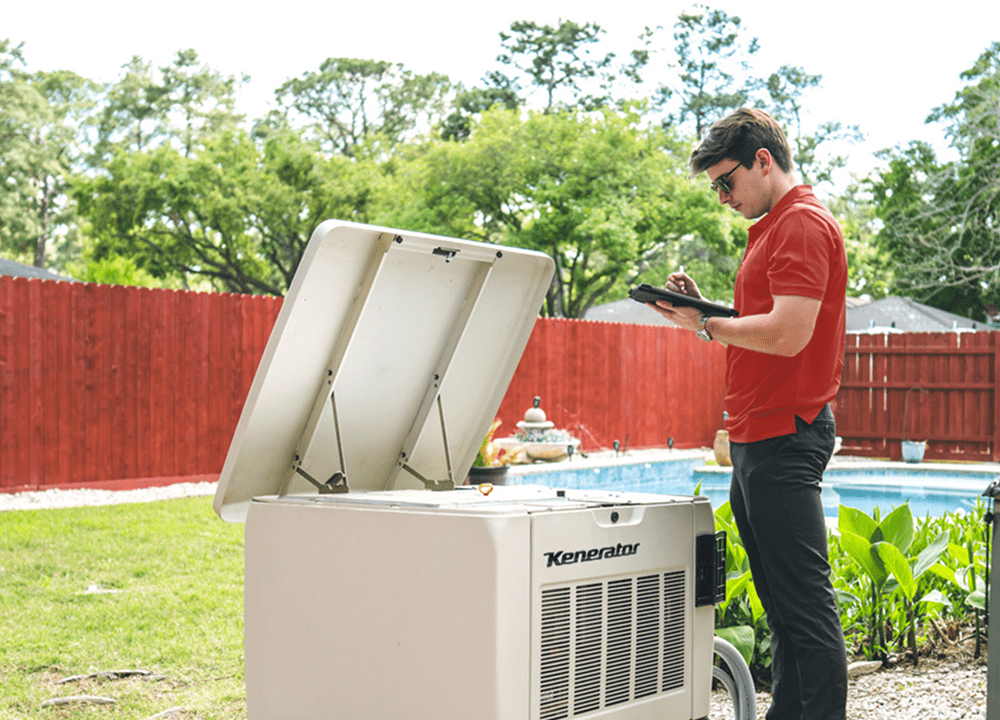
When it comes to fueling your home standby generator, the decision often starts with one question: what’s available on your property? If you’re already connected to a gas line, natural gas is typically the easiest and most convenient option. But more and more homeowners, even those with natural gas, are opting to install propane as a backup fuel source.
Why? In a word: preparedness. Propane vs. Natural Gas: What’s the Difference?
Both propane and natural gas are clean-burning fuels commonly used in home standby generators. Natural gas is delivered via underground pipelines and provides a continuous, uninterrupted supply as long as the grid is functioning. Propane, on the other hand, is stored in on-site tanks, offering complete control over your fuel supply.
Natural Gas Pros:
- Convenient and automatic if you’re connected to the grid
- Lower cost per unit of fuel
- No need to schedule refueling
Natural Gas Cons:
- Supply interruptions are possible during major disasters
- Lower BTU output than propane (less energy per cubic foot)
Propane Pros:
- Higher energy output per unit (more BTUs)
- Can be stored on-site for complete fuel independence
- Great for off-grid or rural properties
Propane Cons:
- Requires refueling and delivery coordination
- Higher per-unit fuel cost
Why Add Propane as a Backup, Even If You Have Natural Gas?
While natural gas is reliable in most cases, extreme weather events or grid failures can occasionally disrupt supply. That’s why some homeowners with natural gas are now adding propane tanks as a secondary fuel source. In the rare event that natural gas becomes unavailable, they can manually switch their generator to run on propane, ensuring continued power during worst-case scenarios.
It’s a strategy rooted in resilience. And it’s becoming increasingly popular.
Final Recommendation
- If you have natural gas access, it’s typically your most convenient and affordable option.
- If you live off-grid or want a backup plan, adding propane offers flexibility and peace of mind.
- If you have neither, you’ll need to install a propane tank to fuel your generator.
At the end of the day, your setup should match what’s feasible on your property and what makes you feel most secure.
Want expert advice tailored to your home? Request a free quote and our team will help you find the perfect generator and fuel setup to keep you powered no matter what.